
1. Sheet metal and forming
Outer shell and inner liner are cut, punched and bent on automatic lines. Our shell is 0.4 mm and the liner 0.32 mm, thicker than the 0.35 mm and 0.26 mm used by most competing products.
Sheet metal forming, foaming, refrigeration assembly, performance testing and export packing are all carried out inside the 杭州炬卡电器有限公司 factory. That is what allows us to build customised cabinets and small batches without losing consistency.

The factory runs fully automatic laser cutting machines, punch presses and bending machines, an automatic dual-gun high-pressure foaming machine, a CACL high-precision dual-system filling machine and an INFICON high-sensitivity leak detector.
Reliable equipment matters more than it sounds. Cabinet squareness determines whether the door gasket seals; foam density determines whether the cabinet holds temperature overnight on a solar system; and filling accuracy determines how long the refrigeration system lasts.
Six stages take a coil of steel sheet to a packed, tested solar cabinet.
Outer shell and inner liner are cut, punched and bent on automatic lines. Our shell is 0.4 mm and the liner 0.32 mm, thicker than the 0.35 mm and 0.26 mm used by most competing products.
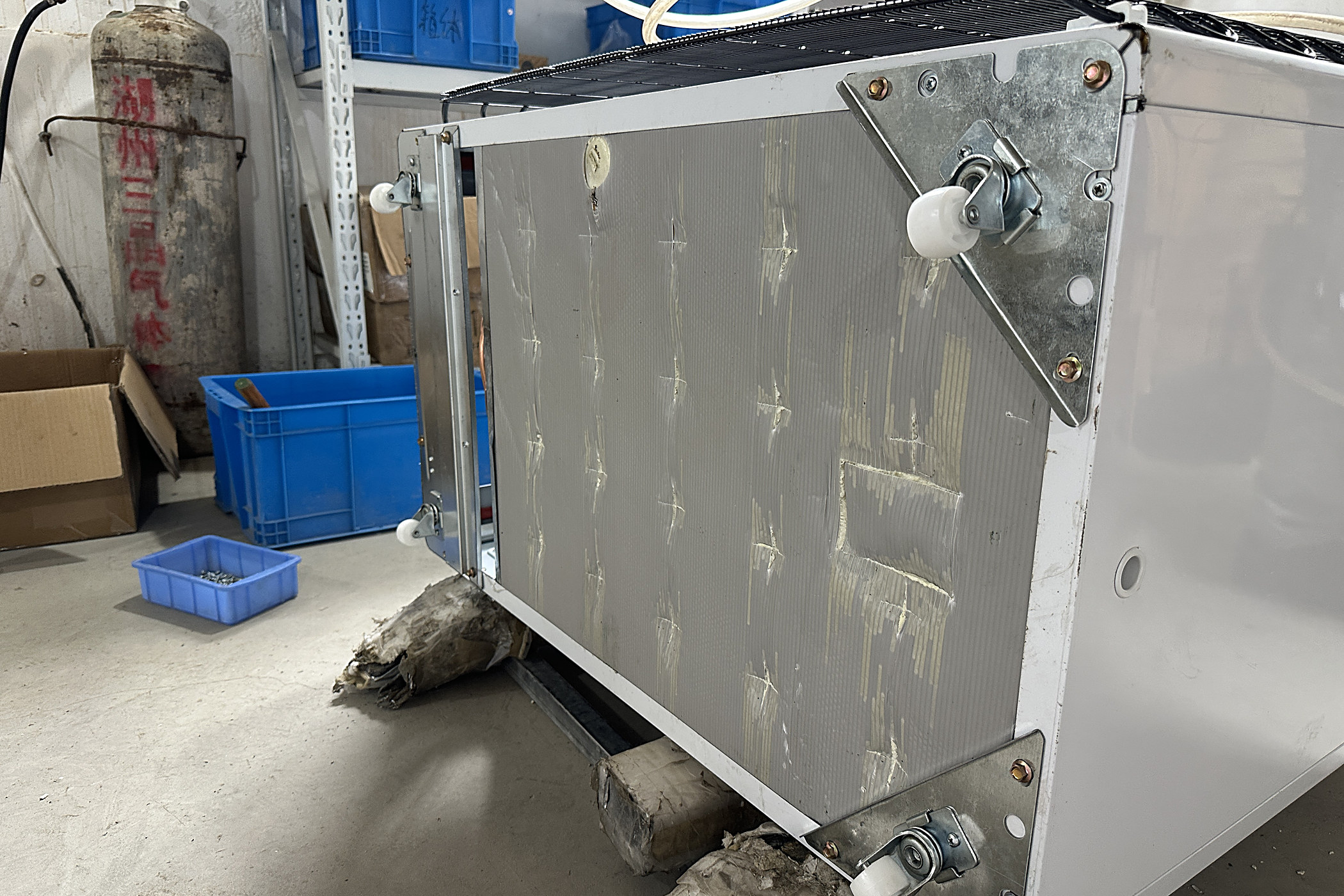
Foaming runs on an automatic dual-gun high-pressure machine inside a room held at a constant 20–23 °C all year, which is what keeps insulation quality stable.

Wire-tube, multi-wire, shutter and roll-bond condensers are produced in-house. Tube diameter is 6.0 mm rather than the common 4.78 mm, with denser wires for better heat rejection.

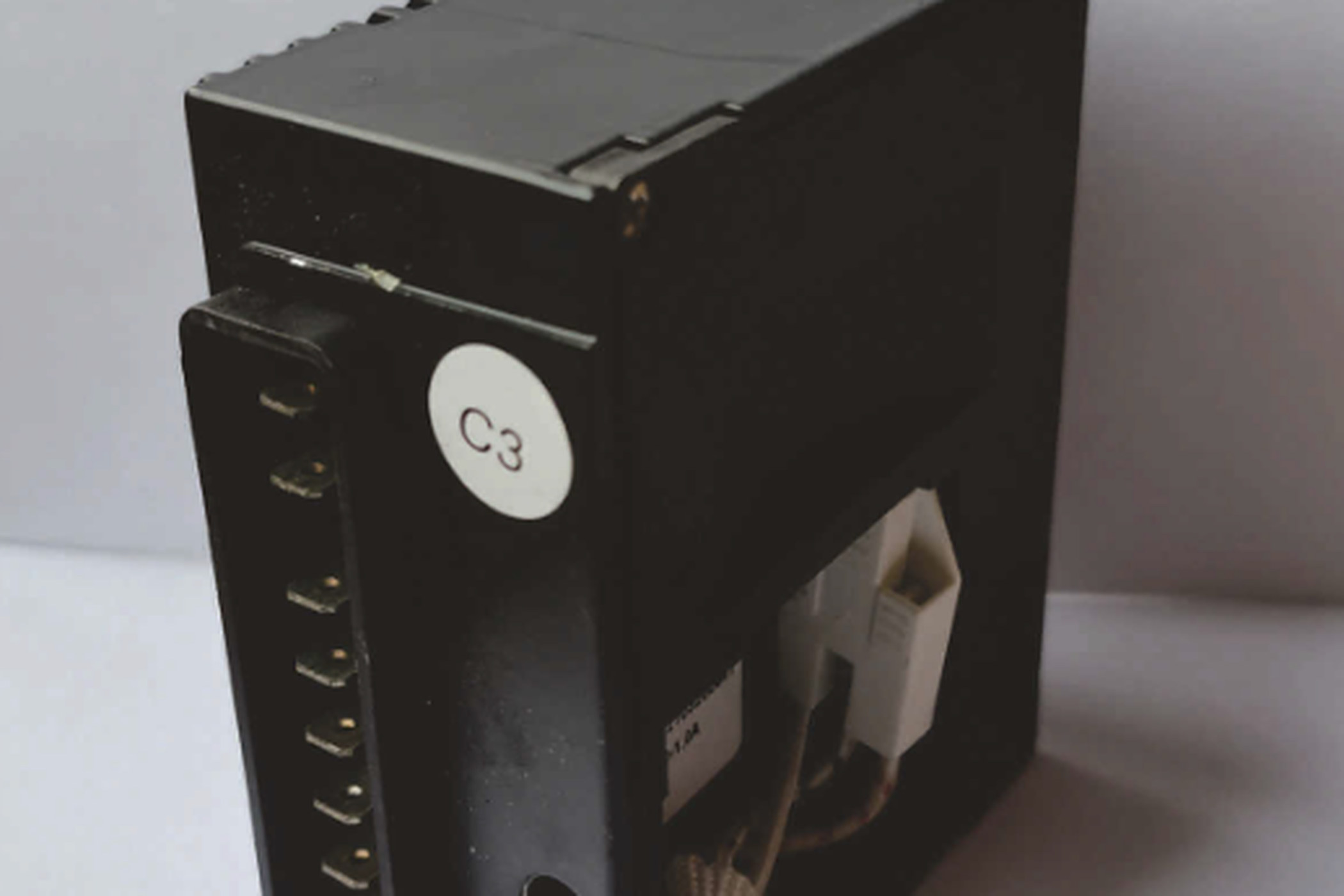
Refrigeration system and control components come from dependable brands, confirmed by severe-condition testing in our own laboratory. All compressor motor windings are copper, and every controller uses a large aluminium housing.

Both the condenser and evaporator sections are nitrogen-purged before any joint is made. Vacuum must reach 20 Pa or lower or the unit cannot be charged. Every unit is then leak-tested twice with the INFICON detector — unpowered and running.

Cabinet paint, door alignment and accessories are checked against the order, then units are cartoned to the packing dimension listed in the catalogue and loaded to the 40HQ container plan.
None of these are visible in a catalogue photograph. All of them are visible on a sample unit — and all of them are things buyers commonly find downgraded elsewhere.



Because every process is in-house, a customised order does not have to mean a container-load minimum.
Body colour and trim can be specified for your market or your own brand identity.
A choice of handle and latch designs, including models using our concealed lock hook.
Front panel print, light box and branding panel are all configurable.
Mechanical or electronic control, and single- or dual-temperature configurations.
External or built-in condenser, depending on cabinet size and the market's room layout.
DC 12 V / 24 V for solar and battery, AC 220 V, or one of the four solar power architectures.
65 mm or 110 mm foam layers, matched to the ambient conditions of the destination market.
Interior LED corn lamp, rated for around ten years, optional on display models.
We welcome customers to inspect the workshop, the foaming room and the test room, and to see their own order on the line.